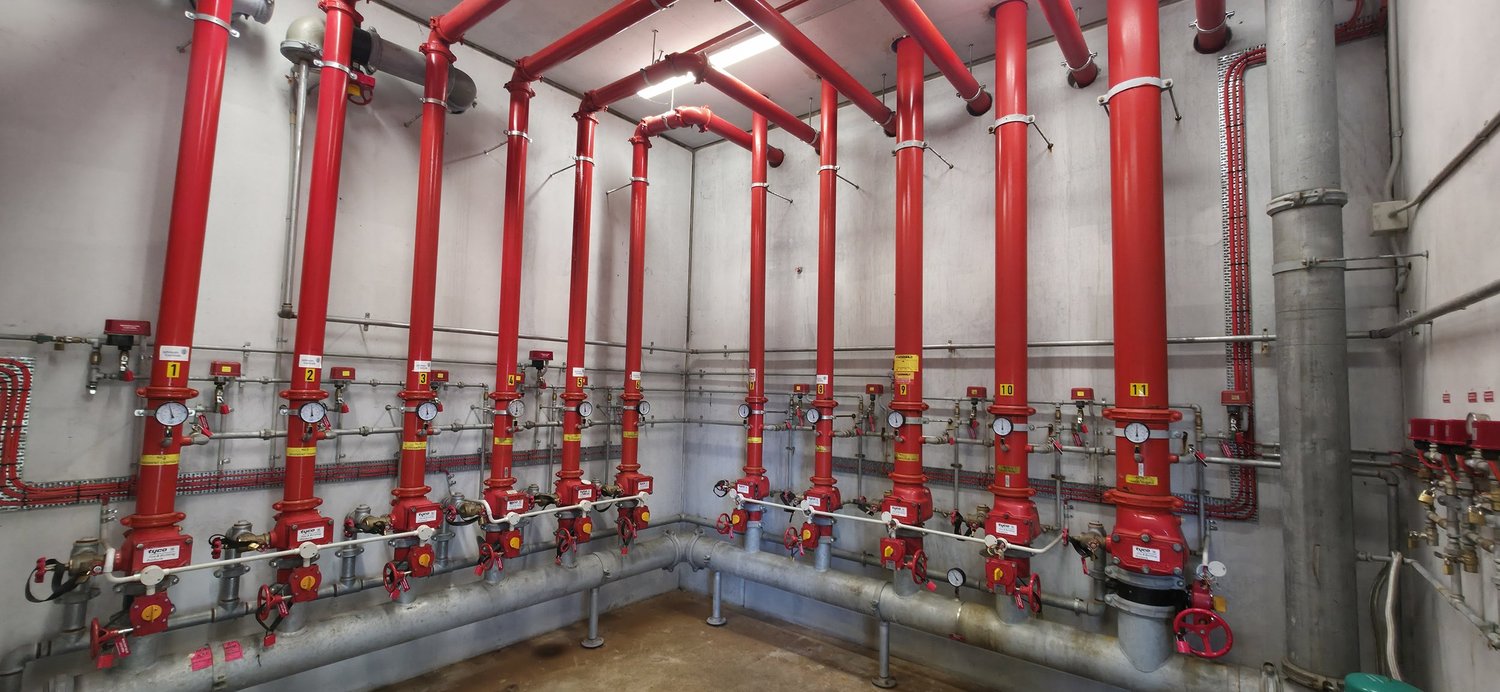
Electric and diesel fire pumpsets, pump room installations and upgrades, AS 1851 performance testing, controllers and auto-start, fire water storage tanks, boosters and the hydrant ring mains they feed. Safe QLD designs, installs, commissions and maintains the whole water supply, not just the parts that are easy to reach.
Sprinkler heads, hydrant landing valves and hose reels are only as good as the water supply behind them. On a pumped system, that supply is a pumpset, a controller, a stored water volume and a length of suction and discharge pipework that has to perform on demand, first time, after months of sitting idle. Safe QLD holds the whole of that supply under one contract, from the tank inlet through to the furthest hydrant on the ring main.
With over 60 years experience and a complete in house team of industry experts and technicians, we design, install, certify and maintain fire protection assets across South East Queensland. Pump work sits right in the middle of that capability, because it demands mechanical, hydraulic and electrical skills in the same room at the same time. Our in house specialist electrical contractors handle controllers, supply and monitoring, while our fire technicians handle the hydraulics, so nothing waits on a third party.
AS 1851-2012 AS 2419 Hydrants AS 2118 Sprinklers AS 2941 Fire Pumpsets NCC/BCA QBCC Licence 1143420
Duty, standby and jockey pumps serviced, tested and rectified. Electric motor drives, diesel engine drives, right angle gear drives and the coupling, bearings and seals that keep them turning.
Churn testing, flow and pressure verification against the design duty point, alarm and fault signalling proving, and full recording of every reading against the system's original hydraulic data.
Tank inspection, internal cleaning, level indication and low level alarms, automatic refill and top-up valves, screens, vents and access, with stored volume proven before we leave site.
New pump rooms, pumpset replacements and capacity upgrades, delivered in house from hydraulic design and drafting through installation, commissioning and handover documentation.

A fire pump that will not start is a total loss of water supply, and the failure is almost never the pump itself. It is a flat battery bank, a stale fuel load, a drifting pressure switch, a controller left in manual after a contractor visit, or a suction valve strapped shut and never reopened. Our routines are built to find those things before the fire does.
Because our technicians install and commission pumpsets as well as service them, a defect does not become a referral to somebody else. We quote it, we fix it, and the system goes back into service under the same job number.

Plenty of contractors tick a box that says the pump ran. A real performance test proves the pumpset still meets the duty it was designed and certified to deliver, and produces the numbers to show it.
Every reading lands in a detailed digital compliance report with the defects found, photos and clear rectification pricing, so building owners, project managers and body corporates have audit-ready evidence rather than a signature on a tag.
AS 1851-2012 sets routine servicing intervals for fire pumpsets and the water supplies that feed them. The exact schedule for your site depends on the system type, the original design and any insurer requirements, and we confirm it against your baseline data before the first visit.
| Routine | Typical frequency | What the routine covers |
|---|---|---|
| Pump run | Weekly, where required by the system design or insurer | Automatic start on pressure drop, short run at churn, gauges and alarms observed, controller confirmed in auto. Can be run by our technicians or set up as a recorded site routine we audit. |
| Monthly routine service | Monthly | Pumpset started and run under churn, start and running pressures recorded, engine or motor condition, batteries, fuel level, oil and coolant, valve positions, tank level and pump room condition. |
| Six-monthly routine service | Six-monthly | Extended run and functional checks, controller sequencing and duty changeover, alarm and fault signalling to the fire indicator panel, strainers, relief valves, seals and pipework inspected in detail. |
| Yearly performance test | Annually | Full flow and pressure test against the design duty point, readings plotted against commissioning data, suction performance under flow, engine or motor load performance, complete alarm proving and defect reporting. |
| Five-yearly comprehensive service | Every five years | In-depth assessment of the pumpset, controller, water supply and pipework, including internal inspection and cleaning of fire water tanks, valve overhauls, component replacement and a full condition report. |
| Defect rectification | As found, or 24/7 on call | Repairs and replacement of failed components, controller faults, leaking glands and seals, battery and charger faults, blocked strainers and pipework, with staged isolations and interim protection measures where needed. |

Stored water is the part of the system nobody looks inside until the five-yearly comes around, and it is where we routinely find sediment, corrosion, failed level devices and refill valves that stopped working years ago. A tank that reads full on the panel and is half full in reality is a compliance failure and a firefighting failure at the same time.
Booster cabinets, inlets and outlets, non-return and isolating valves, pressure gauges, block plans and signage checked and rectified so fire crews can connect and boost without hesitation on arrival.
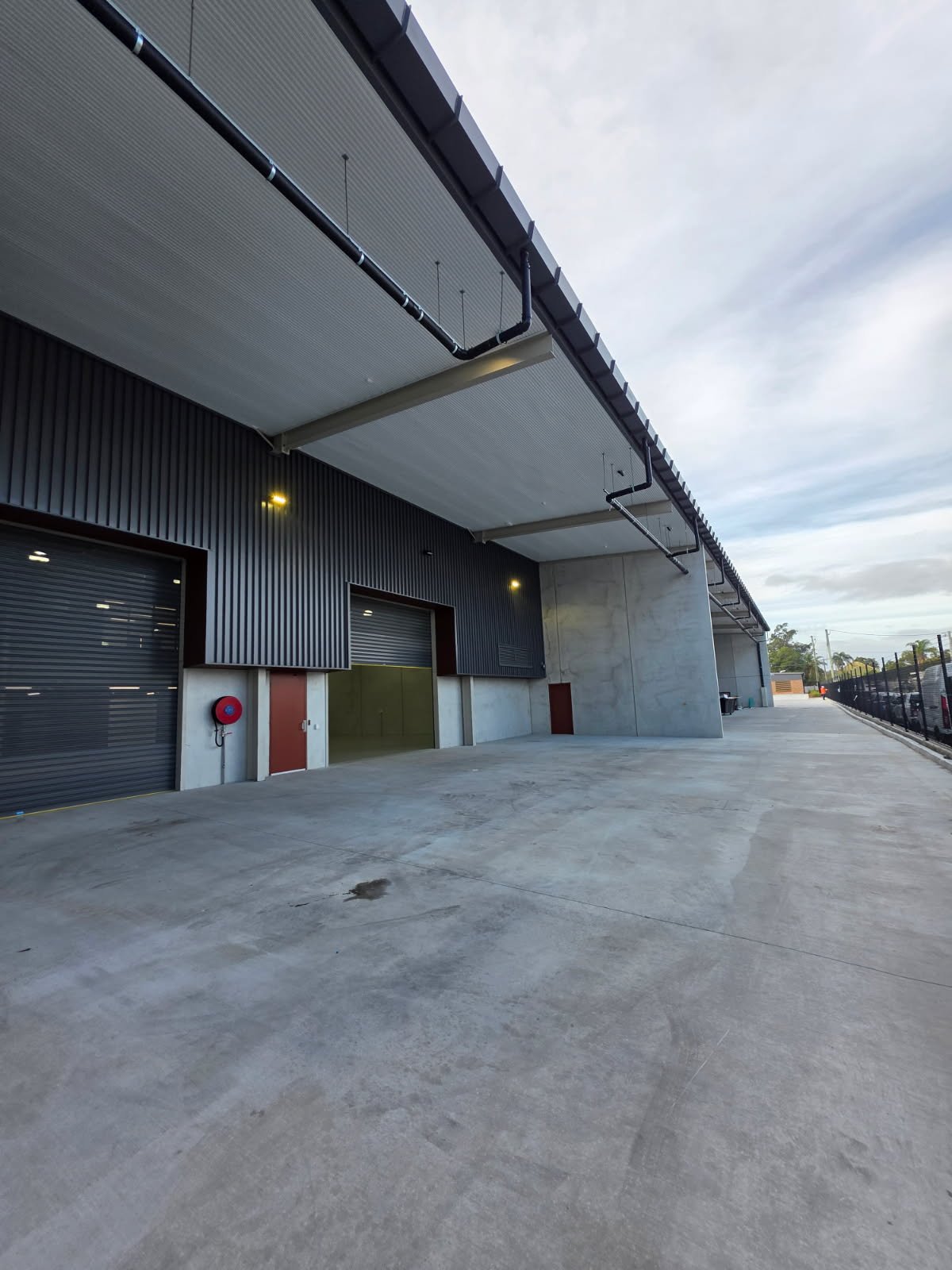
The buried and above ground mains the pump actually feeds: isolating valve positions and strapping, thrust and support condition, leaks and pressure losses, and flow proving out at the most disadvantaged hydrant.
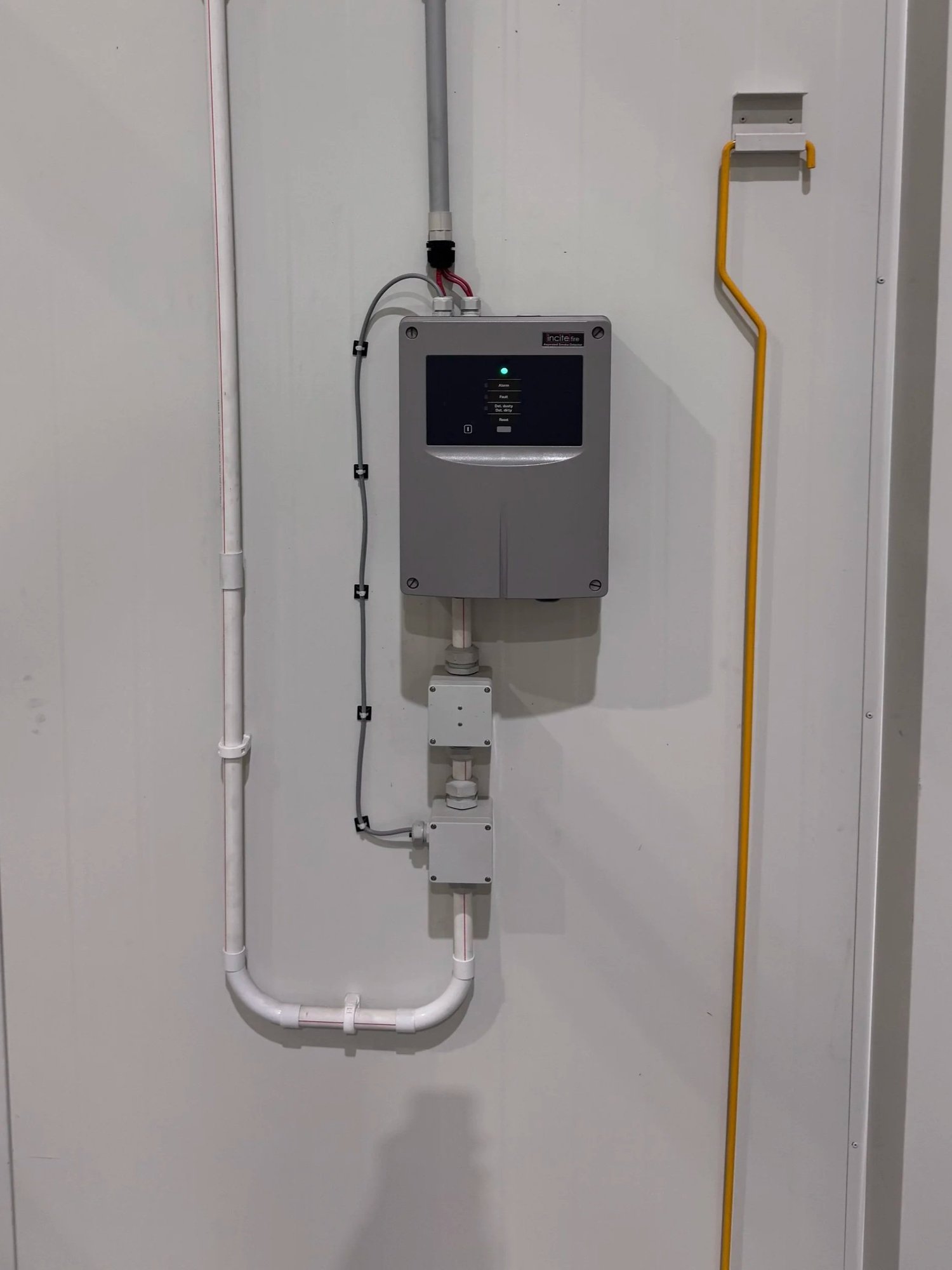
Pump running, fail to start, mains fail, off auto and low tank level signals wired, programmed and proved through to the fire indicator panel and monitoring service, so a fault is known immediately rather than at the next service.
Quoted, scheduled and completed by our own technicians, with isolations managed, interim protection agreed in writing and the system returned to full service the same visit wherever possible.
Replacing a fire pumpset in a live building is a project, not a service call. It touches hydraulic design, structural and mechanical works, electrical supply, controls, monitoring and a certification trail, usually while the building stays occupied. Safe QLD runs the whole scope with in house teams across six disciplines, which is why builders, hydraulic consultants and facility managers can hand the entire package to one contractor.
Duty and capacity reviewed against the existing hydraulic design, coordinated with your consulting engineers and certifiers, with options priced before anything is ordered.
Pump room layouts, pipework and electrical arrangements drafted, plant access and lifting planned, and a staged program built around the building's operating hours.
One project manager, one point of contact, ITPs and hold points, isolation permits, interim fire protection measures and documented handover to the head contractor or owner.
Pumpsets set and aligned, suction and discharge pipework installed, controllers wired and programmed by our in house specialist electrical contractors, monitoring points terminated.
Flow and pressure proven against the design duty, auto-start and changeover sequences run, every alarm and fault signal witnessed, and results recorded as the new baseline data.
The new asset drops straight into an AS 1851 routine program with the rest of your fire systems, on one schedule, one report and one contract.
The systems your pumps feed. AS 1851 inspection, testing and repair of sprinkler, hydrant and hose reel systems, pumped or un-pumped, right across SEQ.
Explore sprinklers & hydrantsIn-house design, drafting, project management, installation, commissioning and certification for new builds, major works and upgrades.
Explore construction servicesWhere your pump alarms report to. Fire indicator panels, detection, EWIS and occupant warning tested and maintained by QBCC licensed technicians.
Explore detection & alarmsFast response across South East Queensland. Clear digital reports. Audit-ready compliance.