Passive fire protection is a crucial component of any fire system design. Safe QLD inspects and maintains fire doors, fire penetrations, dampers and fire-rated construction to AS 1851-2012, keeping the invisible half of your fire safety working when it matters most.
Alarms detect a fire and sprinklers fight it, but passive fire protection is what contains it. Fire-rated doors, walls, dampers and sealed penetrations divide your building into compartments that hold fire and smoke back, protecting exit paths and giving occupants and QFES crews precious minutes. When a fire door is propped open or a cable penetration is left unsealed, that containment fails silently, and nobody knows until the worst possible moment.
That is why AS 1851 testing and compliance to ensure these systems are regularly inspected and maintained is essential in a safe workspace, and something Safe QLD takes pride in offering. Every trade that touches your building, from data cablers to plumbers, can compromise passive fire without knowing it. Our routine inspections catch those breaches early and put them right.
AS 1851-2012 AS 1905.1 Fire Doors AS 1530.4 FRL Testing NCC/BCA QBCC Licence 1143420 QFES
Six-monthly inspections of door leaves, frames, closers, latches, seals and signage to AS 1851-2012, with adjustments and repairs to keep every door set closing and latching as rated.
Inspection and fire stopping of service penetrations through fire-rated walls and floors, using tested sealing systems that maintain the element's FRL under AS 1530.4.
Inspection and testing of fire and smoke dampers in ductwork crossing fire compartments, confirming they close and hold as designed.
Detailed digital compliance reports itemising every door, damper and penetration inspected, with photos, defects and clear rectification quotes for audit-ready records.
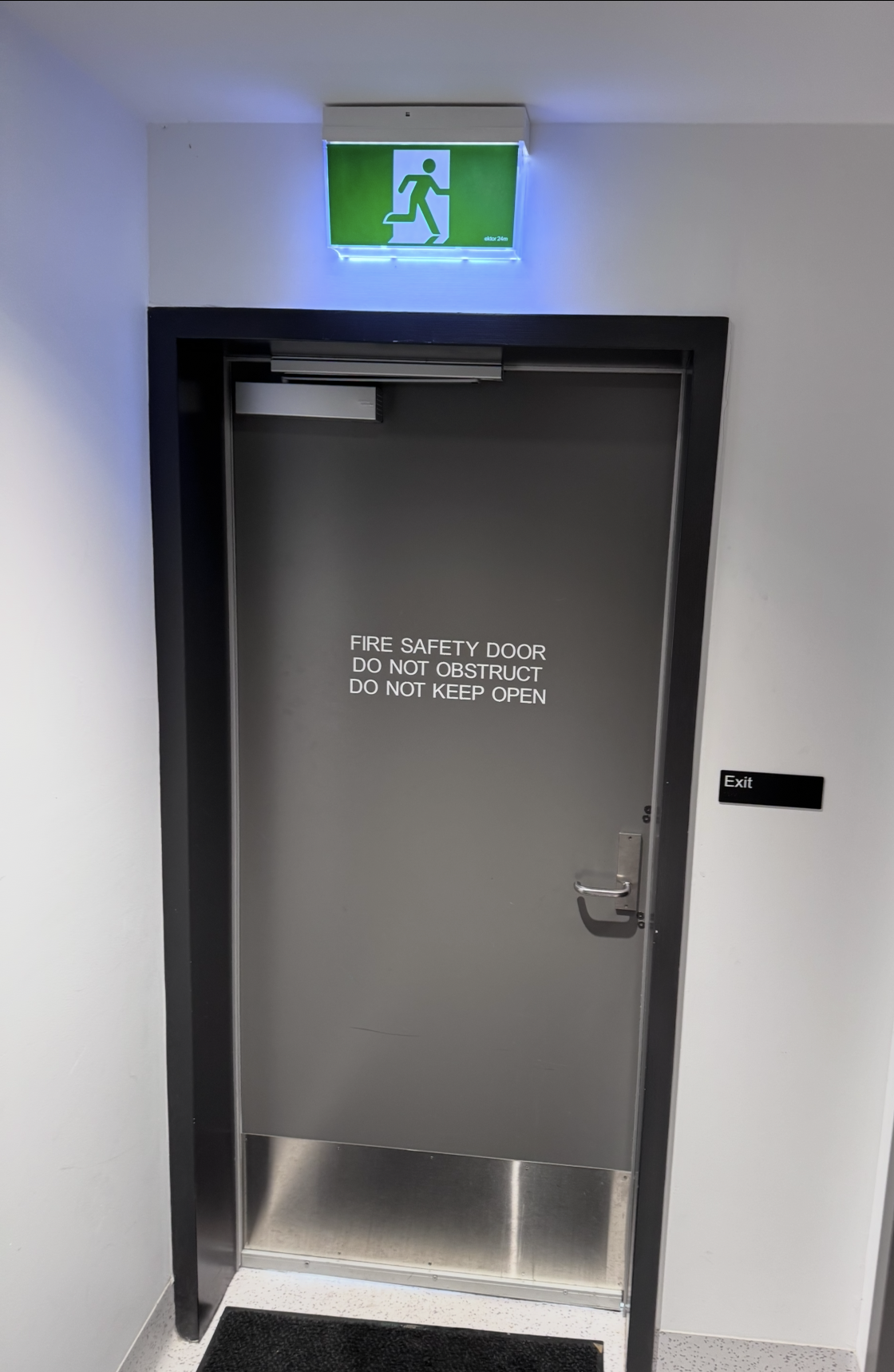
A fire door only earns its rating when it can close and latch on its own, every time. AS 1851-2012 recommends six-monthly inspections on the majority of door sets, depending on the situation, and Safe QLD runs that schedule for buildings across South East Queensland.
Every door is logged in your digital maintenance record with test dates, results, defects found and corrective actions, exactly the records your annual occupier statement depends on.
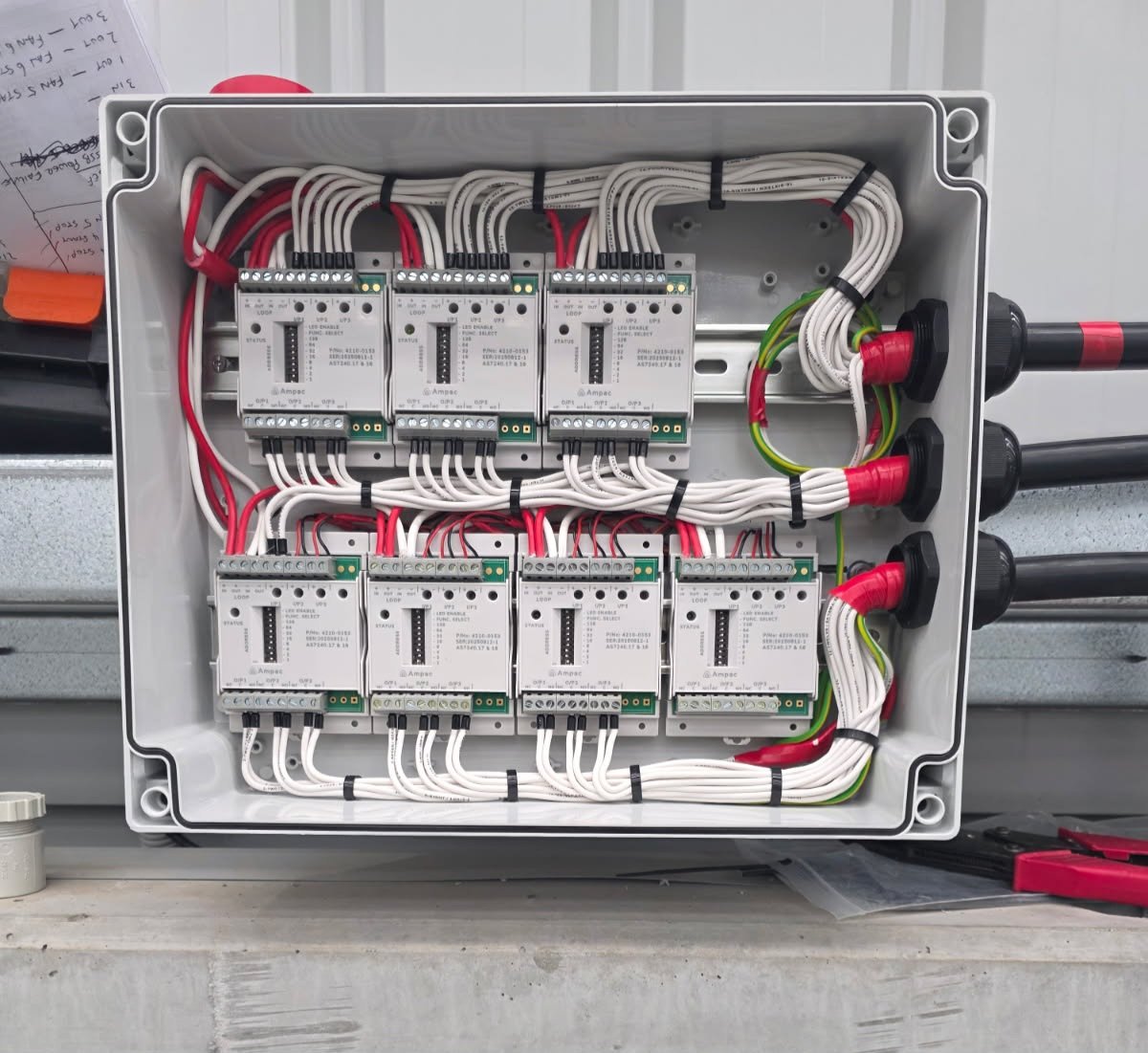
Every cable tray, pipe and duct that passes through a fire-rated wall or floor is a potential hole in your building's compartmentation. A penetration is only compliant when it is sealed with a system tested to maintain the element's fire resistance level under AS 1530.4.
Because Safe QLD also services your alarms, sprinklers and extinguishers, passive fire slots straight into the same AS 1851 program, one visit schedule, one report, no gaps between contractors.
We walk your building and register every fire door, damper and penetration, photographing and locating each item so nothing is invisible again.
Six-monthly fire door routines and passive inspections are locked into your AS 1851-2012 program alongside your other fire systems.
Doors adjusted, seals replaced and penetrations fire stopped by our own technicians, with clear quotes before any chargeable work begins.
Every result lands in a detailed digital compliance report, giving you audit traceability for QBCC, QFES and your annual occupier statement.
Monthly, six-monthly, annual and five-yearly AS 1851 testing of fire panels, detection and occupant warning systems by QBCC licensed technicians.
Explore detection & alarmsSix-monthly discharge tests and annual inspections to AS 2293, so your exit paths stay lit when the power goes out.
Explore emergency lightingIn-house design, drafting, installation and certification of fire protection for new builds, fitouts and major works across SEQ.
Explore construction servicesFast response across South East Queensland. Clear digital reports. Audit-ready compliance.